
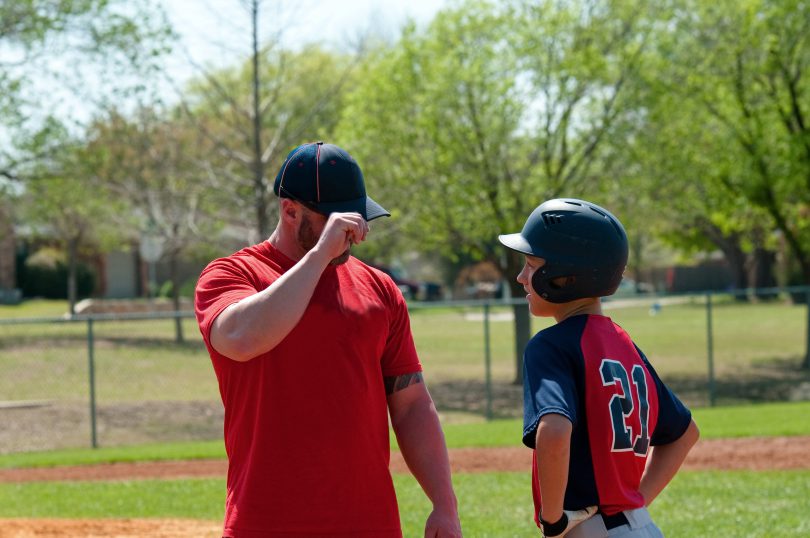
Involved & Honest Coaches Shape College-Bound Players
As a high school baseball coach, your impact reaches far beyond the field. Your honesty, engagement, and advocacy can make the difference between a player reaching college—or not. Below are five essential principles every coach should practice to help players not just develop, but truly succeed.
1. Offer Clear, Constructive Insights
Be honest—but empathetic. Let players know where their abilities truly stand, and what they need to work on to reach the next level. For example:
“Look Tom, I’m going to be honest with you. Right now you aren’t a D1 player in my mind. If that is the level you want to play at, you need to gain 10-15 pounds. You need to work on your defense and get better at executing on offense. There are other options for you if D1 doesn’t work out. Why don’t we sit down together and talk about a few other options that may be a fit.”
This kind of transparency fosters trust, avoids harsh feedback, and keeps players motivated.
2. Stay Responsive to College Recruiters
Responding to phone calls, questionnaires, or scheduling requests—even if it takes just 5–10 minutes—can profoundly impact a player’s path. As the person who knows them best, your input—with even a quick text—is invaluable to both parents and recruiters.
3. Advocate With Integrity
If you believe a player fits a specific program, reach out. A brief, data-backed email to college coaches—highlighting GPA, pitch velocity, recent performance—can open doors. Just ensure your recommendations are honest and thoughtfully targeted, preserving trust and credibility from college contacts. If you refer a player who is not a D1 player to a top D1 school, that college coach is likely to dismiss future emails from you.
Here’s an example of a quick referral email: “Hey Coach ___, I’ve got a kid who might be a good fit for your program. He’s a great student (3.9 GPA) and his fastball sits between 87-90 with good command of two pitches. His slider is still a work in progress, but he can throw it for strikes in any count. Attached is my contact information. Please let me know if I can be of any assistance. He’ll pitch in relief at our home game on Wednesday. Thanks for your time.”
4. Inspire Through Exposure and Experience
Bring college stories to life:
● Share your own college baseball stories
● Invite former players to speak to the team
● Watch a college game together
● Play motivational clips during practice
These experiences help players visualize the next level and stay inspired to put in the work.
5. Lead with Consistency and Inclusivity
Consistent standards foster a team-wide culture of effort and growth. High school is a time when kids develop and grow. The last guy on your bench this year could be the star of your team next year. It is important not to play favorites and to hold all players accountable. If your star player works his butt off, the last guy on the bench will see what it takes to be great and do his best to match his intensity and work ethic.
Why This Matters
High school athletes are growing—physically and mentally—every day. Your leadership now plants seeds for their success later, both in baseball and in life. Honest coaching is not easy, but it’s meaningful.
Next-Level Coach Strategies
-
Schedule sit-downs with players to set realistic goals.
-
Create a brief referral template—voice key stats and character traits quickly.
-
Host a “College Experience Night”: share clips, testimonials, and stories to spark players’ goals.
In short: coaches who invest time, provide genuine feedback, and lead with integrity not only build better players—they shape more successful futures.
High School Coaches Corner are blog posts for high school coaches who want to learn, improve, and help their players move on to play in college. Keep Playing Baseball has many resources for coaches of all levels from recruiting tips to player development and the mental game.